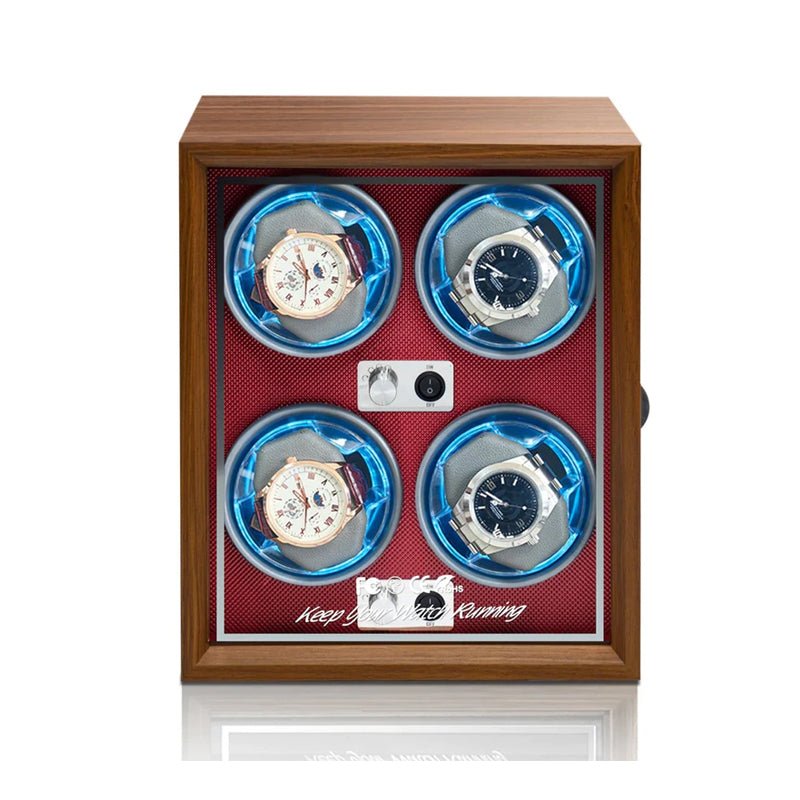
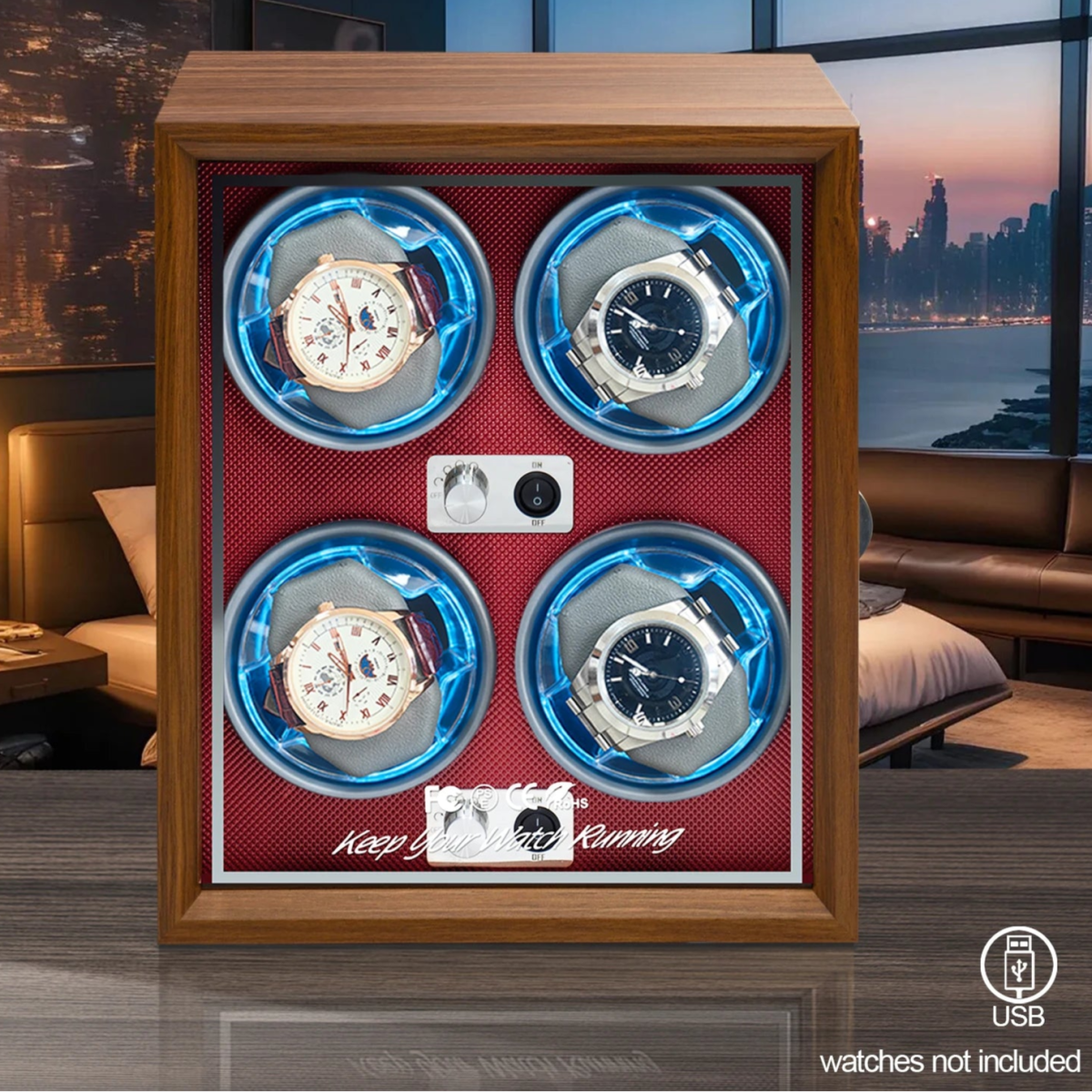
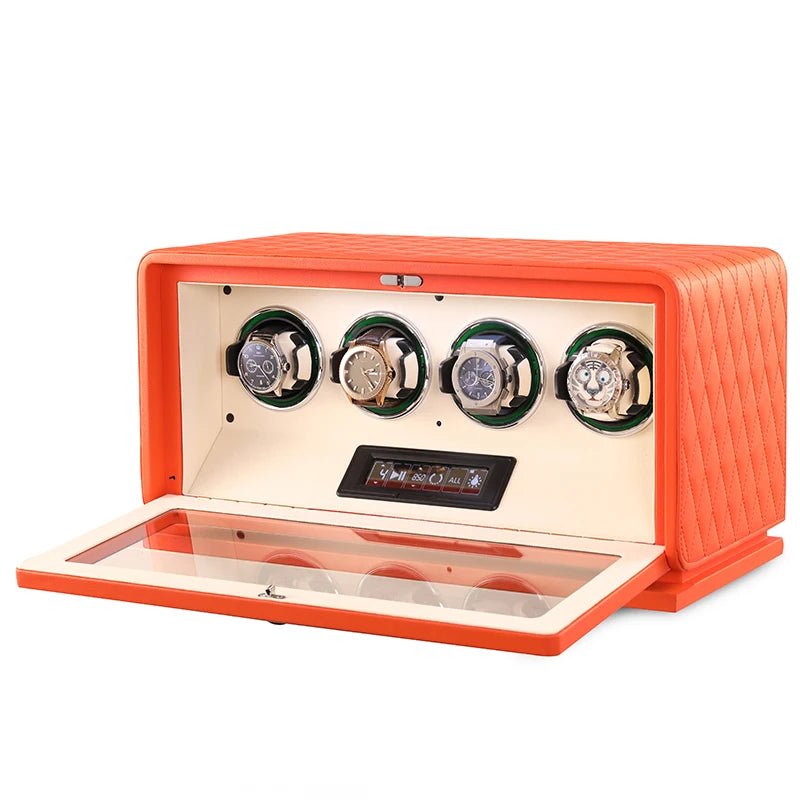
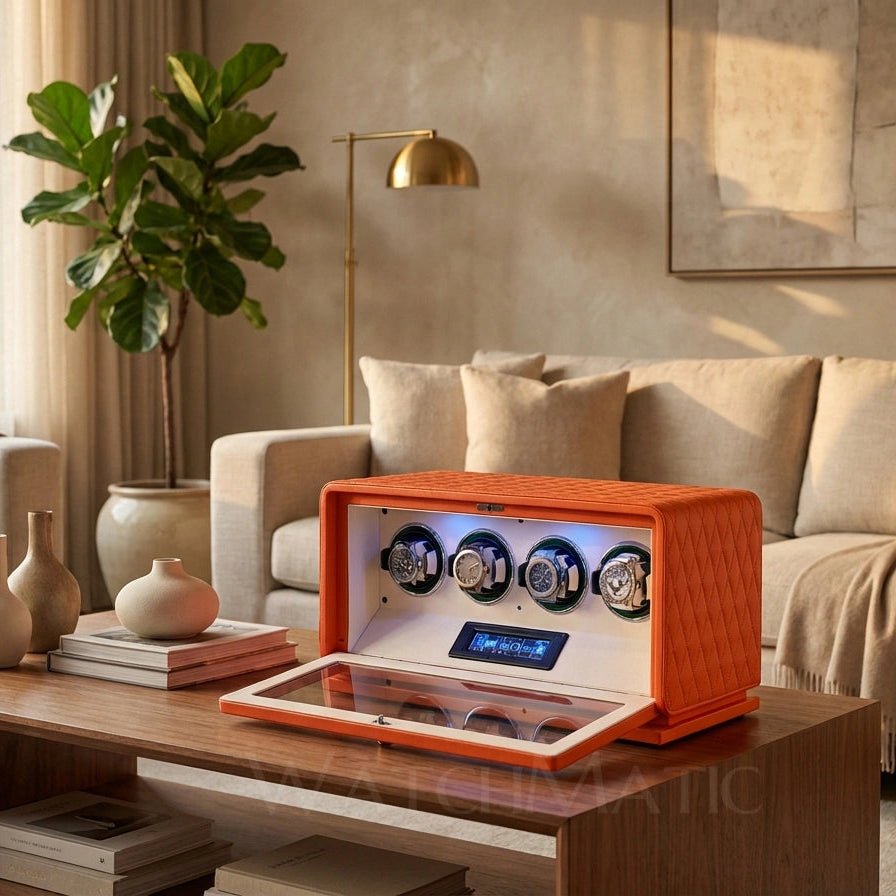
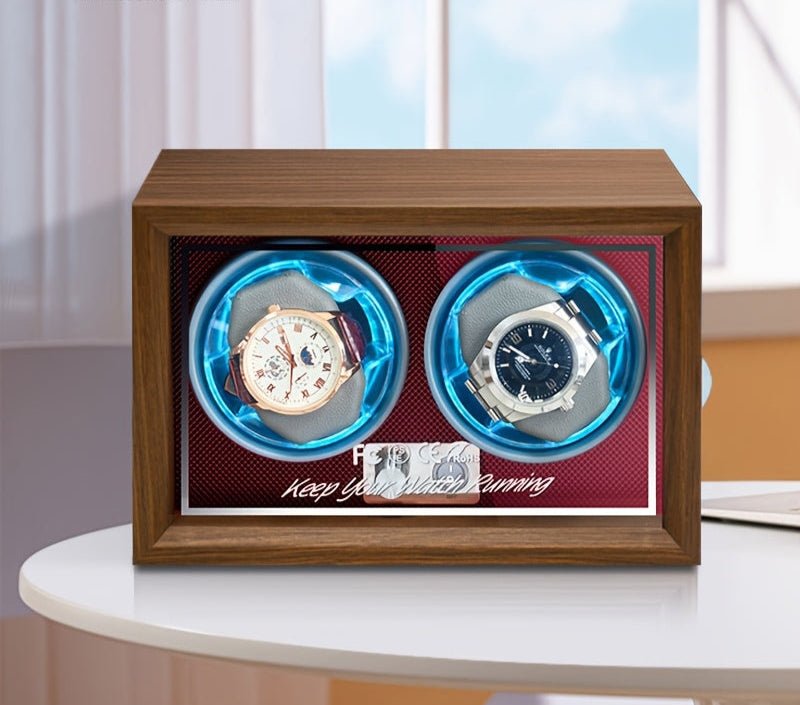
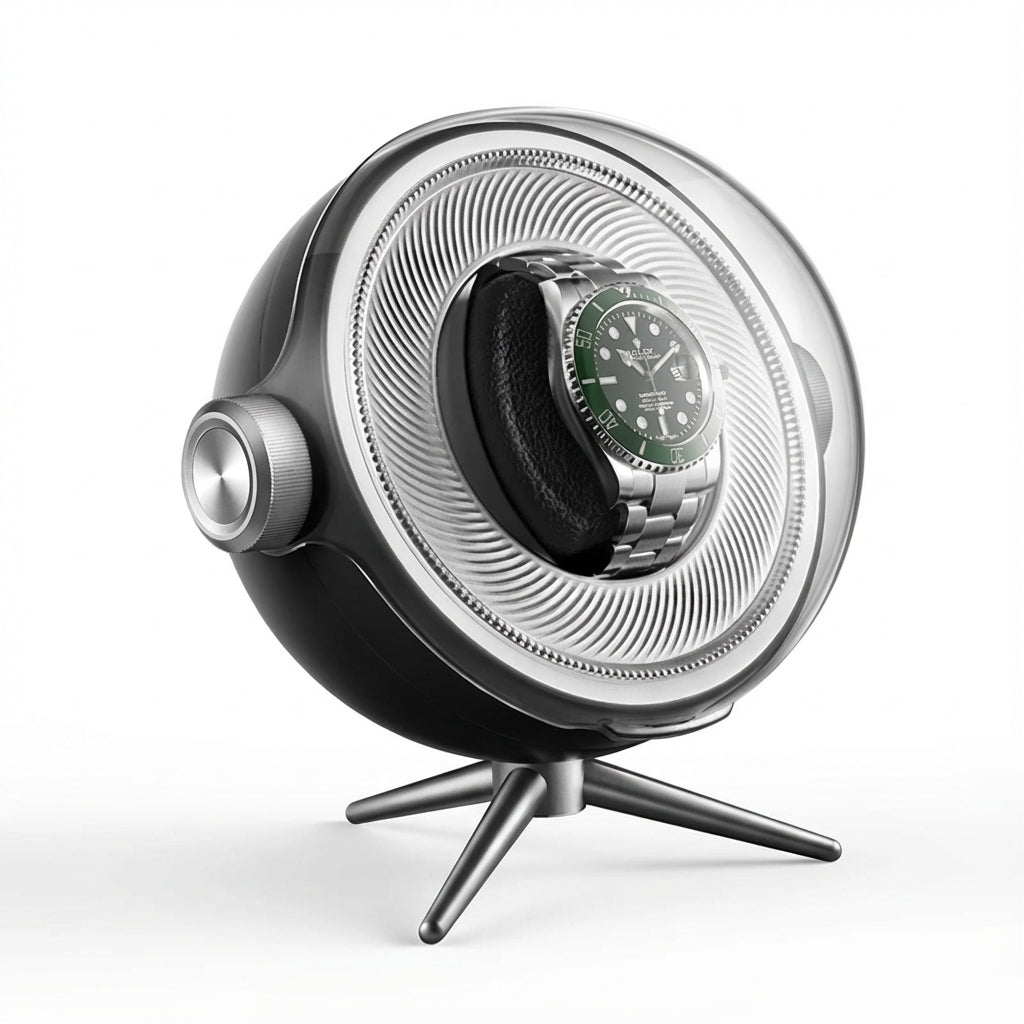
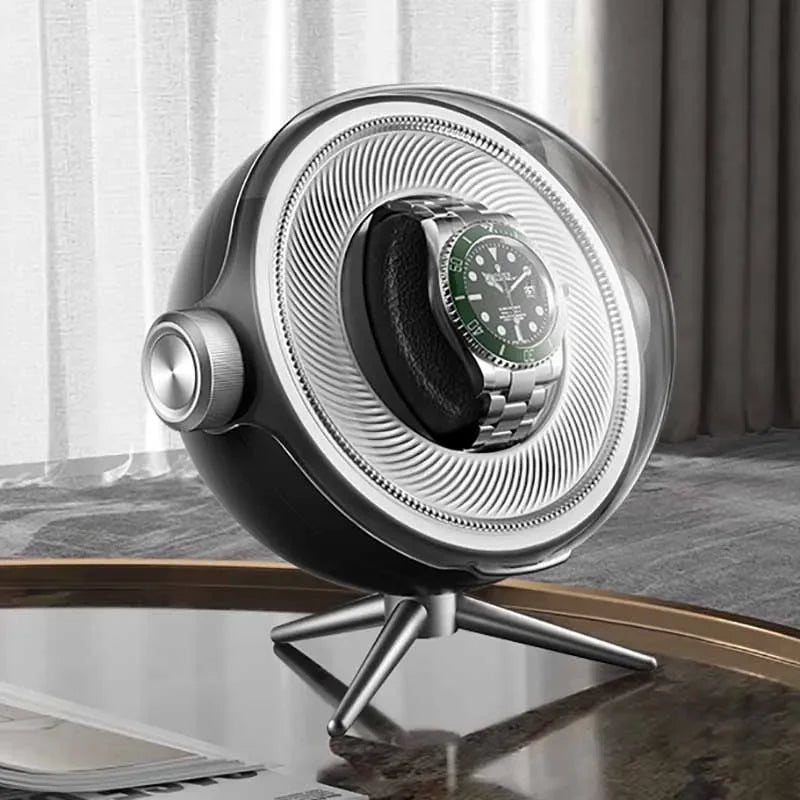
There is no single “best” watch winder mode that works perfectly for all watches. Automatic watches differ in movement design, winding direction, and power reserve, which means the ideal winder settings vary from one watch to another. Choosing the right mode depends on understanding how your specific watch is designed to be wound.
Why the Idea of a “Universal” Watch Winder Mode Is Misleading
At first glance, it’s easy to assume that a watch winder should have one optimal setting that fits every automatic watch. After all, they all rely on rotor movement to stay powered.
In reality, automatic movements are far from identical. Differences in engineering mean that a mode working well for one watch may be inefficient—or unnecessary—for another. This is why the idea of a universal watch winder mode is more myth than solution.
What Actually Defines a Watch Winder Mode?
A watch winder mode is usually defined by two main factors: Turns Per Day (TPD) and rotation direction. For collectors new to this concept, understanding how TPD settings affect automatic watches helps clarify why no single mode works for every watch.
- Turns Per Day (TPD) – how many rotations the winder makes in 24 hours
- Rotation direction – clockwise, counterclockwise, or bi-directional
Some winders also include rest periods or interval cycles, but these are secondary to TPD and direction.
The combination of these settings determines how closely the winder replicates real-world wrist movement.
Why Different Watches Need Different Settings
Automatic watches vary because of:
- Movement architecture
- Rotor efficiency
- Power reserve length
- Brand-specific winding requirements
For example:
- Some watches wind efficiently in one direction only
- Others require bi-directional motion
- Certain movements stay fully wound at lower TPD, while others need higher rotation counts
Using a single fixed mode across all watches may lead to inconsistent results—some watches stay fully wound, while others stop or remain unnecessarily under tension.
What Happens If You Use the “Wrong” Mode?
Using a non-ideal mode usually won’t damage a watch immediately, but over time it can affect ownership experience.
- Too little movement: the watch may lose power and stop, requiring frequent resetting
- Too much movement: the watch stays constantly wound, creating unnecessary mechanical load
A well-chosen mode aims for balance rather than maximum motion.
Is Bi-Directional Mode the “Safest” Option?
Bi-directional rotation is often considered the safest general-purpose setting because it works with many modern automatic movements. However, it’s not automatically the best choice for every watch.
Some movements are designed to wind primarily—or exclusively—in one direction. In those cases, bi-directional rotation may be less efficient, requiring higher TPD to achieve the same result.
So while bi-directional mode is versatile, it should be viewed as a starting point, not a universal solution.
The Role of Adjustable Watch Winders
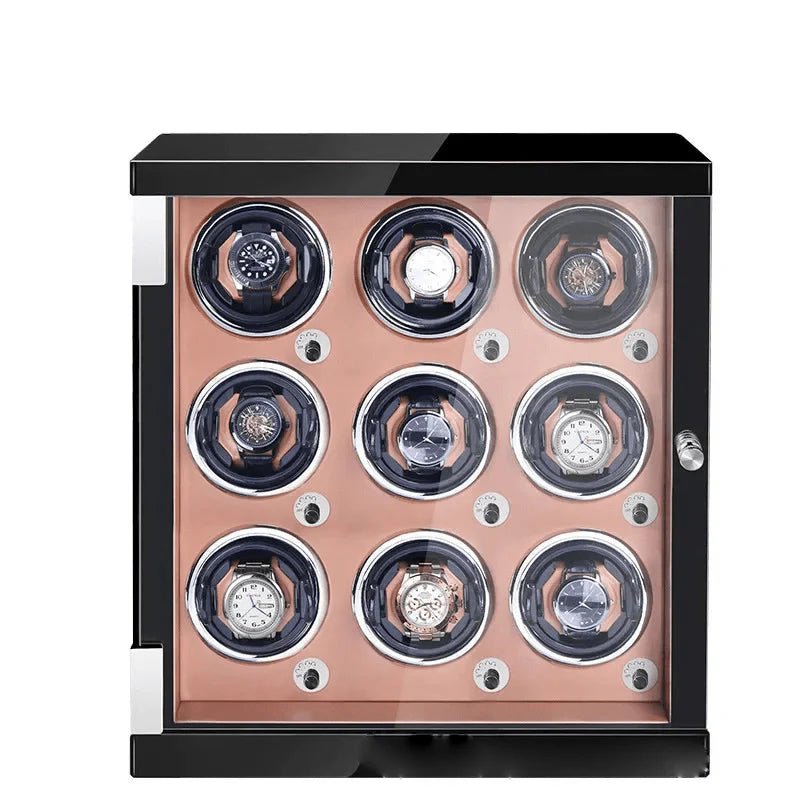
This is where adjustable watch winders become essential, especially for collectors with more than one watch.
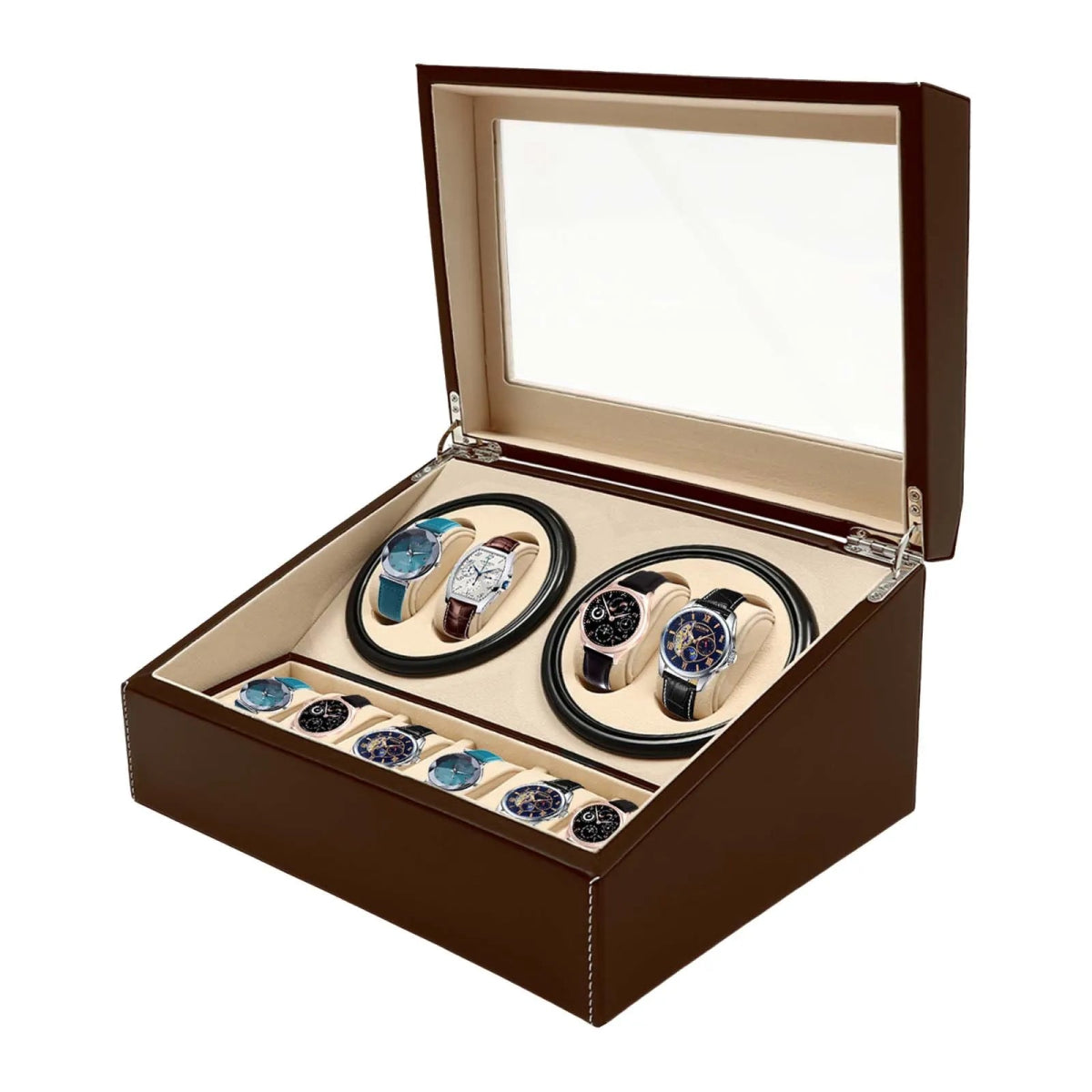
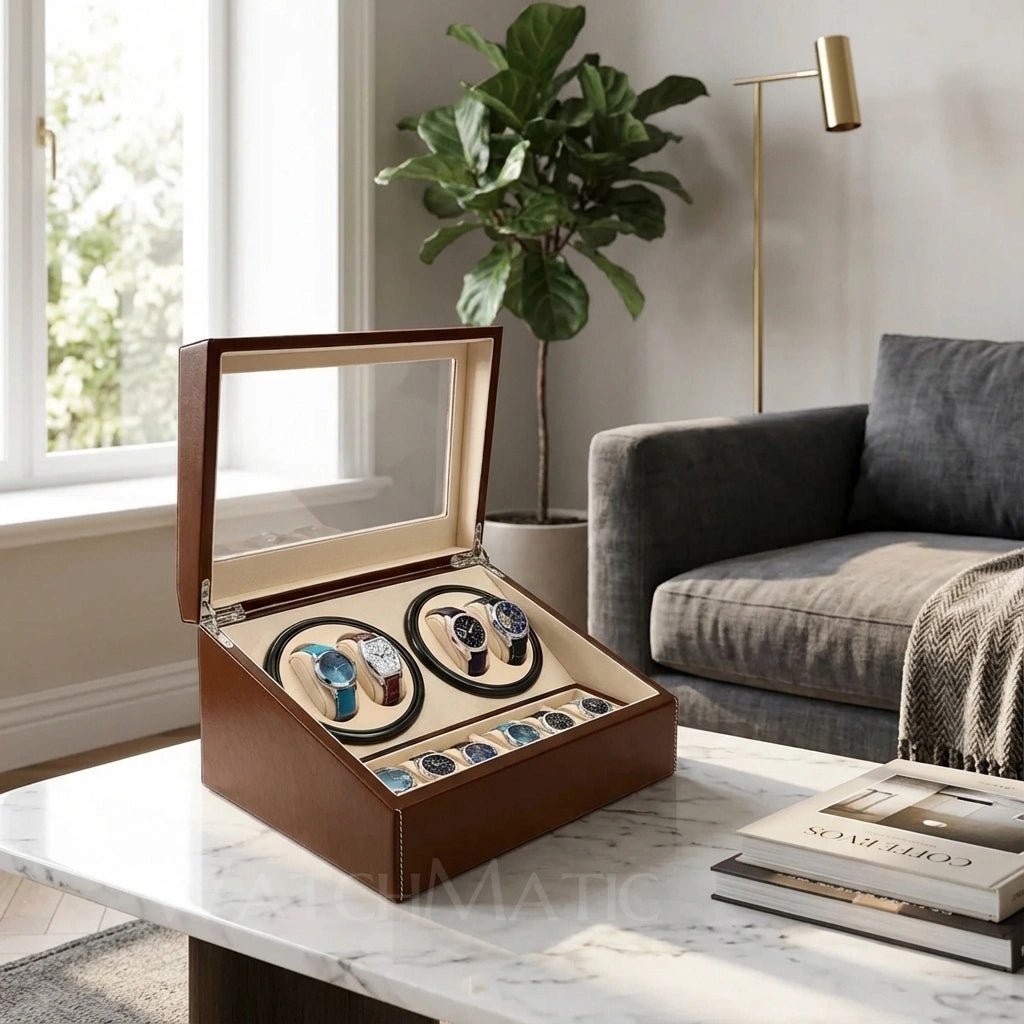
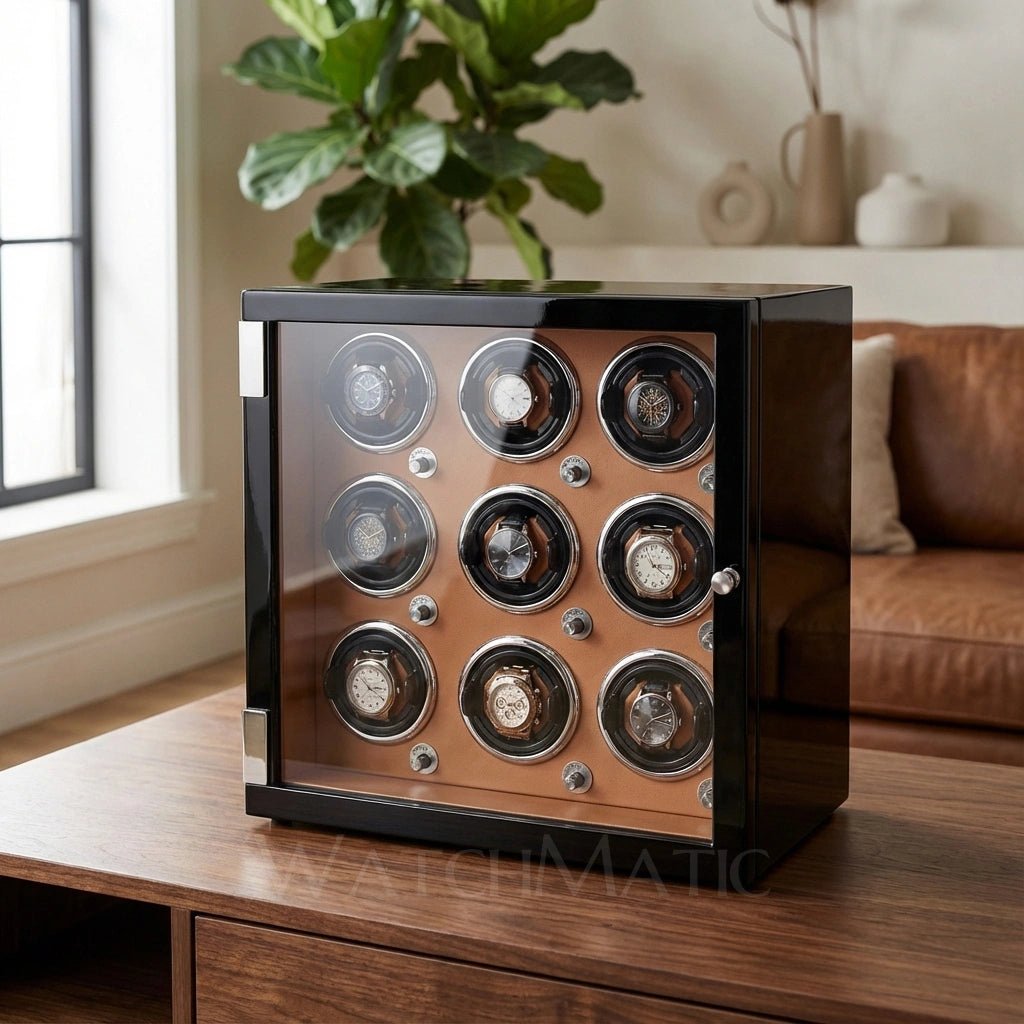
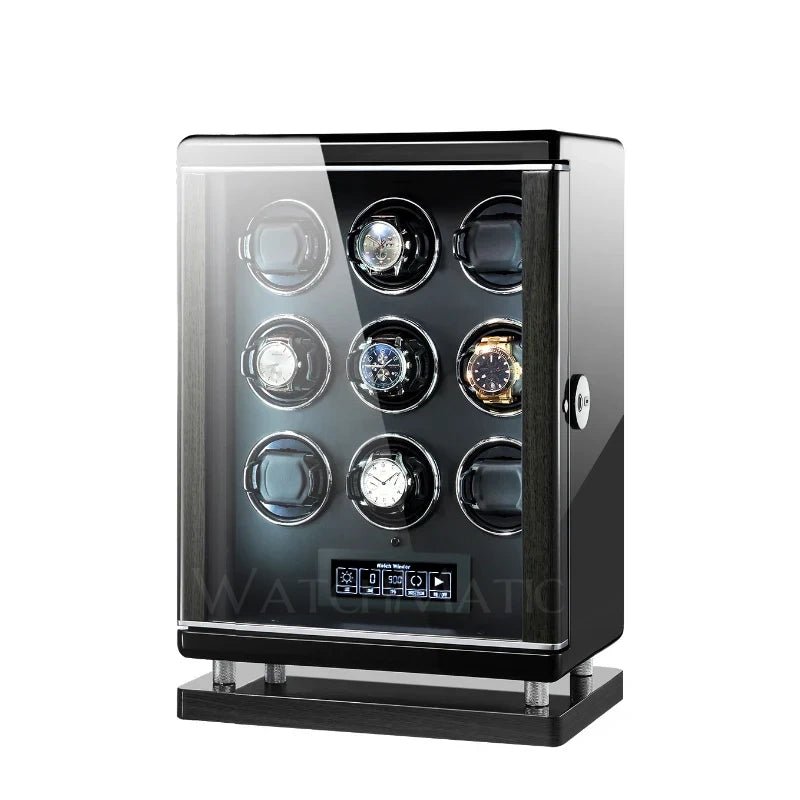
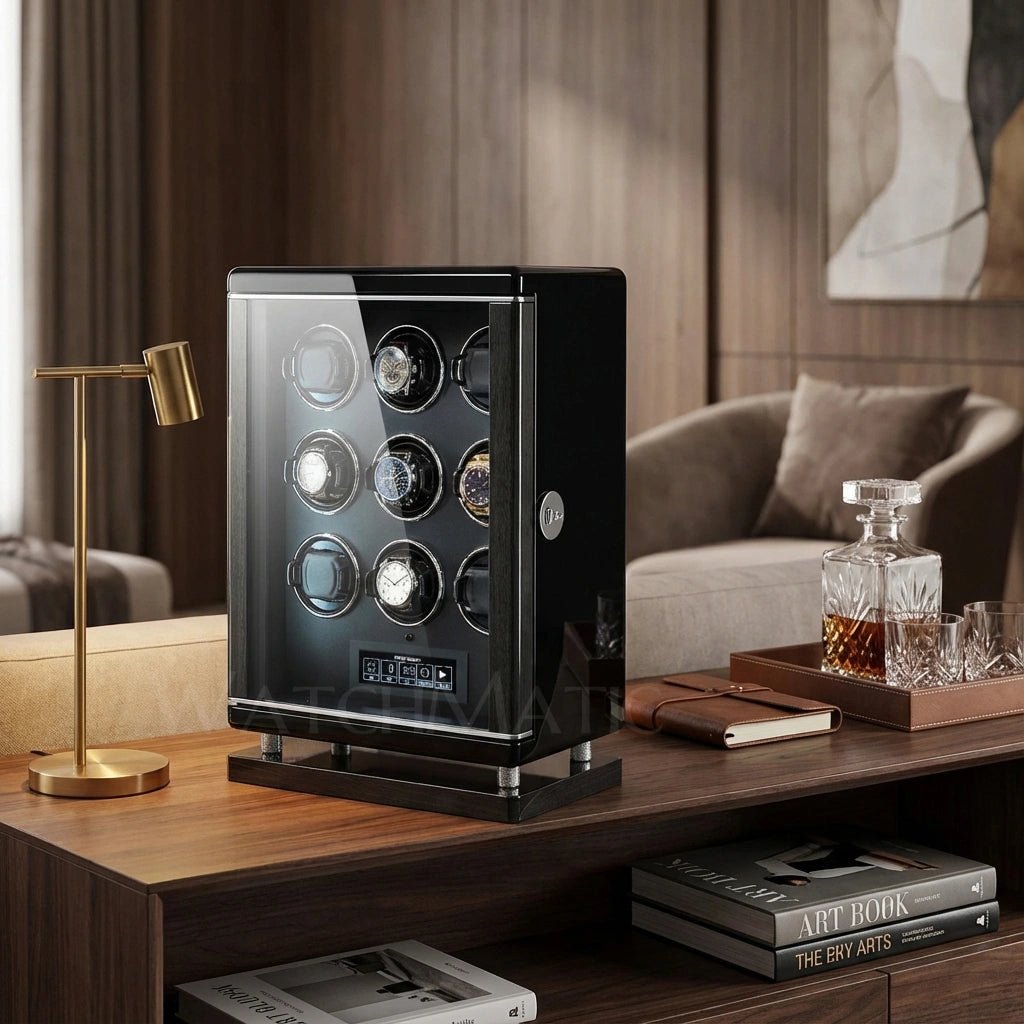
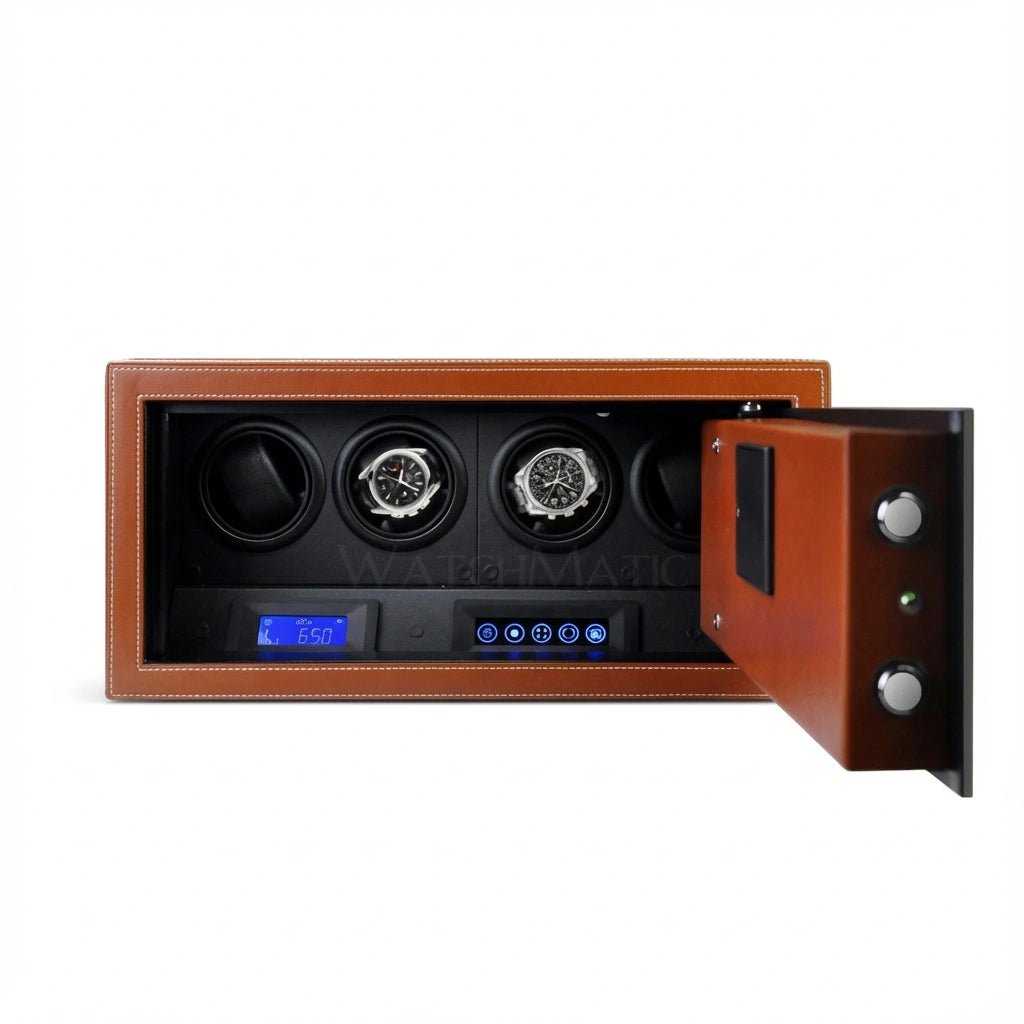
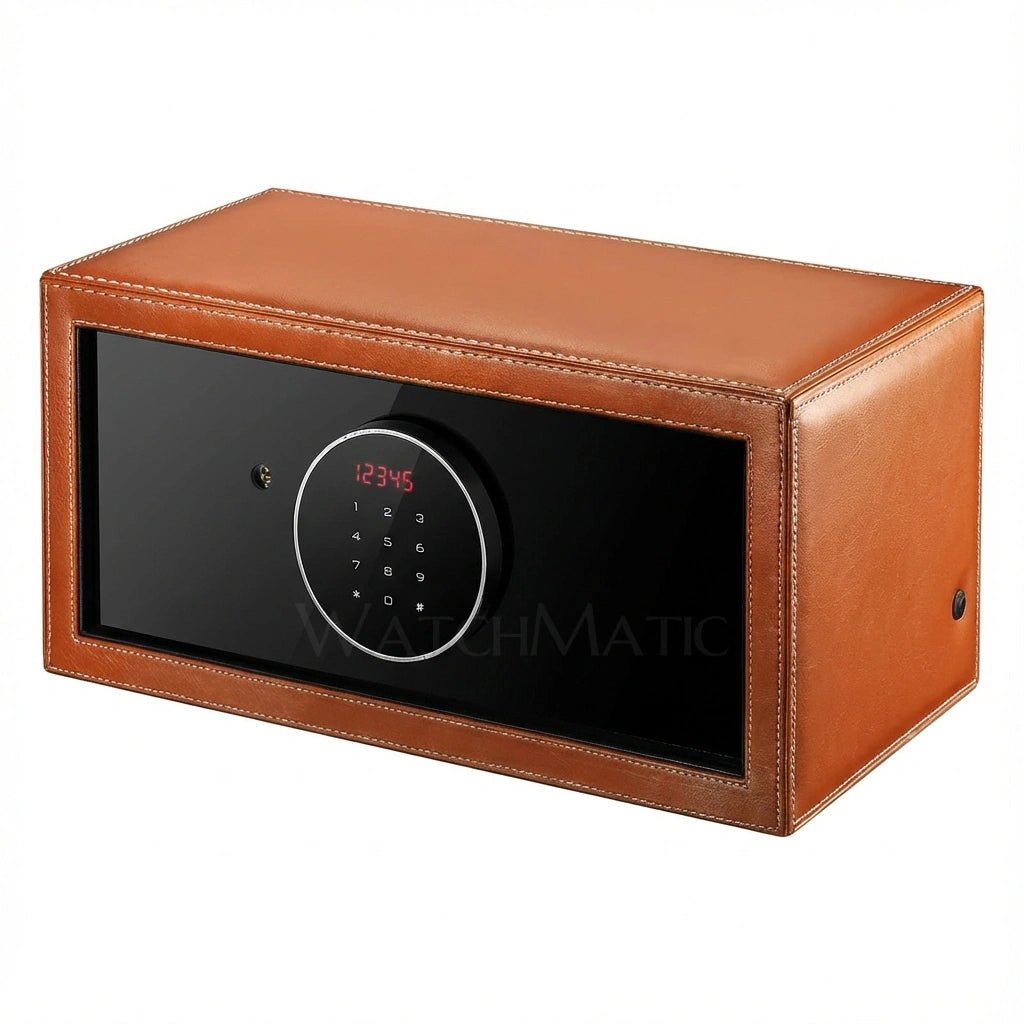
Brands like WatchMatic focus on flexibility by offering multiple winding programs and independent control. This allows each watch to operate under settings that suit its specific movement rather than forcing all watches into the same cycle.
For mixed collections, this adaptability matters far more than chasing a single “best” mode.
A Practical Rule of Thumb for Most Collectors
If you’re unsure where to begin:
- Start with a moderate TPD (around 650–750)
- Use bi-directional rotation initially
- Observe how the watch performs over several days
If the watch consistently stays powered, the setting is likely sufficient. Adjust only if necessary.
For collectors unsure where to begin, choosing adjustable watch winders with multiple rotation modes provides the most flexibility.
Final Thoughts
There is no universal watch winder mode that works perfectly for every automatic watch. The best approach is not to find a single ideal setting, but to understand the needs of each watch and choose a winder that allows proper adjustment.
For collectors, thoughtful configuration matters more than constant motion. When watch winder modes are chosen with intention, they quietly support long-term care—without drawing attention to themselves.